


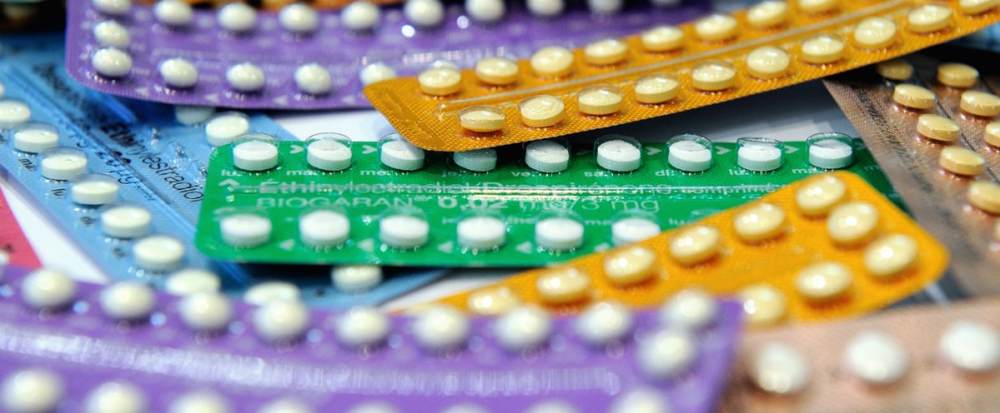
There are various types of contraception available but only a few of them are well-known and sometimes some less-known contraceptions would be more suitable for some people . The purpose of this blog is to gather information about the different types of contraception available including the most known ones and the less . The information gathered is to help people to choose which contraception could be more suitable for them and to gain knowledge about these . Of course the information on this website are not all a person need, a women would still need to seek for advice from a gynecologist .
Types of contraceptives:
Male condoms

Short description
Condoms are thin pouches, usually made from latex, that are worn by men on their genitals to prevent sperm from getting into the vagina . This decreases the risk for pregnancy.
Advantages
- if used correctly, they are a reliable method of pregnancy prevention
- it is the only form of contraception that prevents both partners from STIs (Sexually Transmitter Infections) including HIV, chlamydia and gonorrhoea
- does not include any medical/hormonal side effects from using it
- advance preparations are not needed (unlike when taking the pill), as you only use the condom in the moment
- they are easy to put on, comes in variety of flavors and sizes
Disadvantages
- condoms are made from latex, so if not used properly they may tear
- some people are allergic to latex, therefore other condoms made from other materials are available, but more rare (e.g. polyrethane and polyisoprene)
Where can it be purchased?
- condoms can be easily purchased in many places and can be bought without restriction:
- pharmacies
- supermarkets
- convenience stores
- vending machines
- online
- doctor’s offices
Effectiveness
- It’s always safer to use condoms plus another form of contraceptive to be safer . However, when used as the only form of contraceptive and correctly, it is 85% effective.
Contraceptive implant
Short description
Also known as Newplanon. It is a small flexible plastic rod that is placed under the skin in your upper arm by a nurse/doctor. It releases progestogen hormones into the bloodstream in order to prevent pregnancy.
Quick facts
- 99% effective
- lasts up to 3 years
- benefits women who cannot use oestrogen containing contraceptives
- advantage of not having to remember to take a daily pill
- common side effect is that menstruation stops altogether (amenorrhoea)
- some medication may make the implant less effective
- does not protect against STIs
Advantages
- lasts up to 3 years
- does not interrupt sex
- good option if you are unable to use oestrogen-based contraception, such as the pill, patch and vaginal ring
- safe to use while breastfeeding
- as soon as the implant is taken out, fertility becomes normal again
Disadvantages
- irregular menstruation/menstruation may stop altogether
- temporary side effects in the first few months such as headaches, nausea, breast tenderness and mood swings
- acne may develop or worsen if you had signs of it before
- small procedure for insertion/removal
- does not protect against STIs, therefore using a condom in addition is safer
Where can it be purchased?
- contraceptive clinics
- sexual health/genitourinary medicine (GUM) clinics
- GP surgeries
- some young people’s services
Effectiveness
- 99% effective against pregnancy, but risk of STIs
Contraceptive patch

Short description
Contraceptive patches are patches which lasts for a week . When using contraceptive patches you have to change the patch every week for the 3 firsts weeks of a month than not wear any for the last one week .
Going to the swimming pool, taking a bath or a shower is not an issue since the patch won’t go away because of the contact to water .
Quick facts
- 99% effective for contraception
- 1 patch per week for the 3 consecutive first weeks of a month
- do not have to think about it everyday, just every week
- still effective even if the person throws up
- still sticks even under water
- can help for heavy or painful periods
- does not protect against STIs
Advantages
- can be up to 99% effective when correctly used
- don’t need to worry about vomiting or being sick
- can be a protective factor for ovarian, womb and bowel cancer
- easy to use
- do not have to think about it every day
- can make periods more regular, lighter and less painful
- helps with premenstrual symptoms
Disadvantages
- still have some possible side effects including:
- raised blood pressure
- headaches
- sickness (nausea)
- mood changes
- breast tenderness
- rare side effect: blood clot
- visible
- possible skin irritation, itching and soreness
- does not protect against STIs
- during first few cycles: possible light bleeding and spotting
- some medicines can make it less effective (check this with the GP)
- have to change it every week
Where can it be purchased?
- first: get a 3-months supply to see how it goes and how the person reacts to it
- then: if after 3-months everything is good, you can get a 6-months to a year prescription
- can be get from:
- contraception clinics
- sexual health or genitourinary medicine clinics
- some general practitioners
Effectiveness
- 99% effective against pregnancy
- not effective against STIs
Diaphragm
Short description
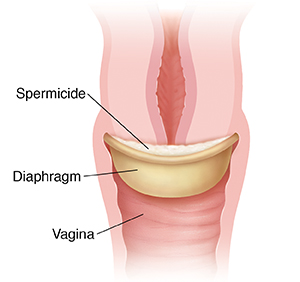
A contraceptive diaphragm or cap is a circular dome made of thin soft silicone that’s inserted into the vagina before sex. It covers the cervix so sperm can’t get into the womb (utérus) to fertilise an egg
You need to use it with gel that kills sperm (spermicide).
- Only needed when you have sex, but leave it 6 hours after having sex
- Apply spermicide again when you have sex again or if the cap has been in place for 3 hours or more before sex.
Quick facts
- Washing is possible
- Never wash with disinfectant, detergent, oil-based products or talcum powder.
- Never boil a diaphragm
- There are different sizes à get one if; you lose are gain more than 3kg or have a baby, miscarriage or abortion.
- You should not use a cap on your period as it can cause toxic shock syndrome
Advantages
- Only need it before sex.
- You can put it in at a convenient time.
- Usually no serious associated health risks or side effects.
- You are in total control of your contraception.
- Re-use is possible
Disadvantages
- Not as effective as alternatives
- Not reliable protection against STIs
- Takes time to learn how to use it
- Can interrupt sex
- Bladder infection can be a problem
- Latex and spermicide can cause irritation in some women and their sexual partners.
Where can it be purchased?
- Contraception clinics
- Genitourinary clinics
- GP
- Sexual health clinics
Effectiveness
- When used correctly with spermicide, a diaphragm or cap is 92-96% effective at preventing pregnancy – this means that between 4 and 8 women out of every 100 who use a diaphragm or cap as contraception will become pregnant within a year.
Female condoms
Short description
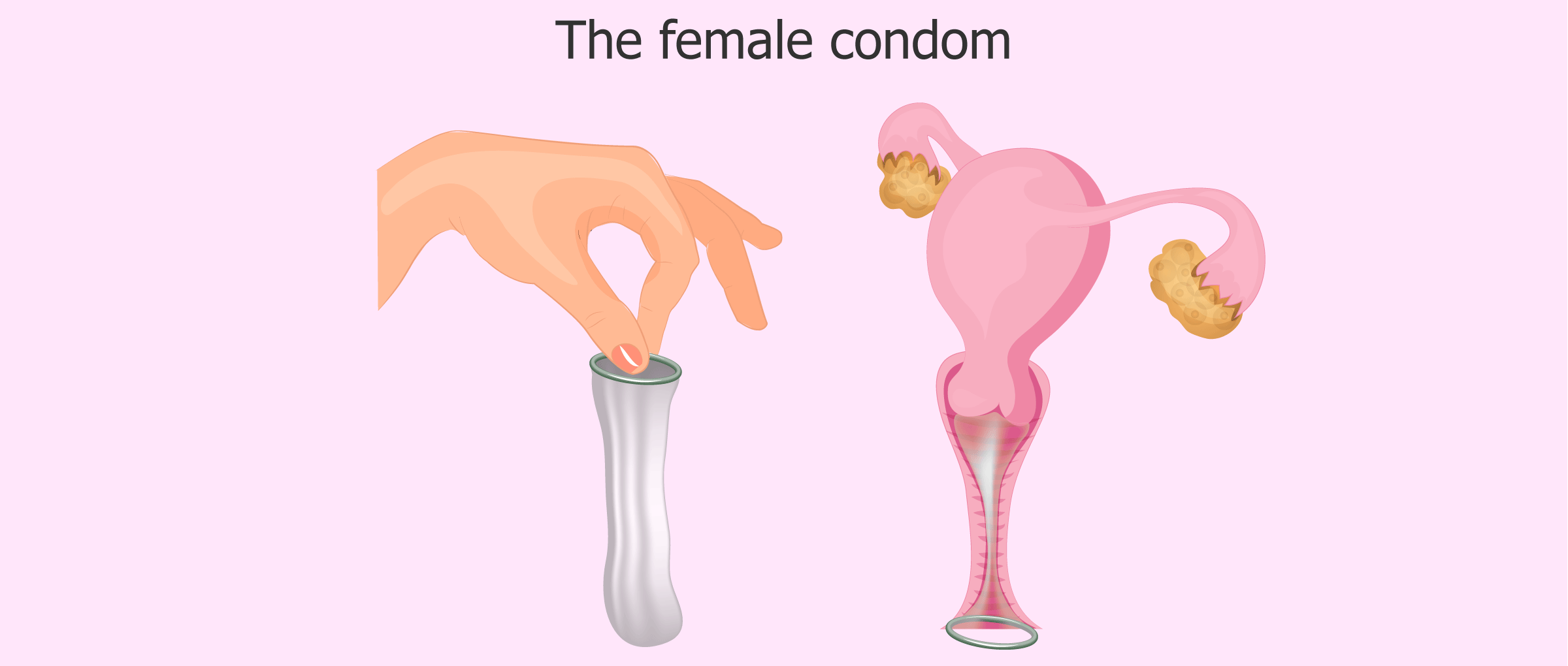
Female condoms are made of soft, thin synthetic latex. They are to be worn inside the vagina to prevent the semen from getting to the womb.
Quick facts
- Female condoms come pre-lubricated most people can safely use female condoms
- The condom can get pushed too far into the vagina
Advantages
- Protect both partners from STIs
- Reliable method of preventing pregnancy
- Only need to use it when you have sex
- No serious side effects
Disadvantages
- Can interrupts sex
- Female condoms are very strong but may split or tear
- Not as available as male condoms and can be more expensive
Where can it be purchased?
- Most contraception clinics, pharmacies, supermarkets and websites
Effectiveness
- If used correctly, female condoms are 95% effective
Female sterilization
Short description
Female sterilization is a surgical procedure that permanently closes or blocks your fallopian tubes . When the fallopian tubes are blocked, sperm can’t get to an egg and cause pregnancy.
Quick facts
- female sterilization is sometimes known as sterilization, Tubal ligation or “getting your tubes tied”
- there are different types of sterilization procedures
- you still get your period after tubal ligation but you just can’t get pregnant
Advantages
- sterilization is VERY effective
- tubal ligation is permanent and one of the most effective kinds of birth control out there
- more than 99% effective at preventing pregnancy
- tubal ligation works so well because it is permanent, and there’s almost no way you can mess it up or use it the wrong way
- it protects you from pregnancy 24/7 for the rest of the person’s life
- sterilization is convenient
- some people prefer non-hormonal birth control, or can’t use methods with hormones because of medical problems
- tubal ligation does not used hormones to prevent pregnancy
- it won’t cause menopause, change your periods, or mess with your natural hormones
- sterilization doesn’t change your hormones
- sterilization is birth control that you don’t have to use during sex, so it won’t interfere with the action
- you can get caught up in the heat of the moment without worrying about pregnancy, and you and your partner can focus on each other instead of birth control
Disadvantages
- sterilization is permanent
- getting a sterilization reversed is really expensive, complicated and it doesn’t always work
- your fertility may never come back
- you should only get sterilized if you are totally certain you never want to get pregnant for the rest of your life
- sterilization can have some risks
- overall, tubal ligation is very safe, and most people don’t have any problems
- however, all medical procedures have some possible risks
- the person may feel some pain and discomfort during and after the procedure, and some of the rare risks of tubal ligation can be serious
- sterilization does not prevent against STIs
- sterilization does not prevent the spread of STIs, this is why the use of condom in addition to protect yourself against STIs is safer
Where can it be purchased?
- you can get a tubal ligation at a doctor’s office, hospital or health clinic
- many Planned Parenthood health centers also do sterilization procedures
Effectiveness
- female sterilization is really great at preventing pregnancy, more than 99% effective
- this means that fewer than 1 out of 100 people who are sterilized will get pregnant each year
- this is as good as it can get when it comes to pregnancy prevention
IUD (coil)
Short description
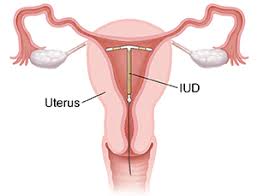
An IUD (Intrauterine Device) is a small T-shaped plastic and copper device that’s put into the woman’s uterus by a doctor . The IUD and the IUS (Intrauterine System) are similar but the IUS is releasing hormone progestogen whereas the IUD is releasing copper . The cervical mucus is altered by the copper which makes it harder for the sperm to reach an egg and their survival.
Quick facts
- more than 99% effective
- can be implemented at anytime during the woman’s menstrual cycle
- the device will work as soon as it is in and can last up to 5 or 10 years depending on the type of the device
- it can be taken out at any time and as soon as it is out the woman can be pregnant again
- in the 3 to 6 months after the implementation of an IUD, the woman’s period can be longer, heavier and more painful
- small risk of infection
- may not be convenient for people with history of pelvic infections
- does not protect against STIs
Advantages
- protection against pregnancy for 5 to 10 years
- works right away after insertion
- fits to most women
- no hormonal side effects (acne, headaches, breast tenderness)
- does not suspend sex
- safe even when breastfeeding
- can get pregnant directly after removal
- not affected by other medicines
- no evidence of its influence on weight or risk of cervical cancer, cancer of uterus and ovarian cancer
Disadvantages
- risk of heavier, longer and more painful periods
- does not protects against STIs
- risk of infection (including pelvic infection)
- reasons why women might stop using it: vaginal bleeding and pain
- risks of the IUD:
- pelvic infections
- rejection
- damage of the womb
- ectopic pregnancy (fall of the IUD leading to pregnancy)
Where can it be purchased?
- contraception clinics
- gynecologist
Effectiveness
- more than 99% effective
Vaginal ring
Short description
It is a small soft, plastic ring that women have to place inside their vagina. A continuous dose of hormones oestrogen and progestogen are being released into the woman’s blood in order to prevent pregnancy.
Quick facts
- effective up to 99% when correctly used
- one ring lasts for a month (don’t need to think about it eveyday)
- does not interrupt sex
- still working even in case of vomiting or diarrhoea
- may ease premenstrual symptoms
- lighter and less painful bleeding
- possible temporary side effects
- does not protect against STIs
Advantages
- does not interrupt sex
- easy to put and take out
- do not need to think about it everyday
- is not affected when vomiting or having diarrhoea
- may help with premenstrual symptoms
- can regulate and diminish the periods and its painfulness
- can reduce the risk of some cancers
- no long-term effect on fertility
Disadvantages
- may not be comfortable when putting it or removing it
- can lead to spotting or bleeding in the first months
- possible temporary side effects
- increased vaginal discharge
- headaches
- nausea
- breast tenderness
- mood changes
- does not protect against STIs
- do not forget to change it every month
- some medicine can make the ring less effective
- risks
- blood clots
- cancer (cervical cancer)
Where can it be purchased?
- contraception clinics
- gynecologist
- GP
Effectiveness
- 99% effective when correctly used
Vasectomy
Short description
A vasectomy is a simple surgery done by a doctor in an office, hospital, or clinic. The small tubes in the scrotum that carry sperm are cut or blocked off, so sperm can’t leave your body and cause pregnancy. The procedure is very quick, and you can go home the same day.
Quick facts
- 2 types of vasectomies
- incision method
- no-scalper (no-cut) method, which has lower risk of infection and other complications, and generally take less time to heal
- the term “vasectomy” comes from the name of the tubes in your scrotum that are blocked during the procedures: vas deferens
Advantages
- vasectomies are VERY effective
- permanent and one of the most effective kind of birth control
- more than 99% effective at preventing pregnancy
- effective because it is a designed to be permanent, and there’s no way to mess it up or use it in a wrong way
- vasectomy can prevent pregnancy 24/7 for the rest of the person’s life
- vasectomies are super convenient
- once a person had a vasectomy and their doctor says there’s no longer any sperm in his semen, that’s pretty much it, nothing else is needed to prevent pregnancy from happening. No trips to the pharmacy, nothing to buy or use, nothing to put in place before sex
- get-it-and-forget-it birth control
- your vasectomy can make your sex life better
- it is a birth control that you don’t have to pay attention to during sex, so it won’t interfere with the action. You can get caught up in the heat of the moment without worrying about pregnancy
Disadvantages
- vasectomies are permanent
- even if you get your vasectomy reversed, your fertility may never come back
- vasectomy surgery is complicated and expensive, and doesn’t always work
- you should only get a vasectomy if you’re totally certain you don’t want to get someone pregnant for the rest of your life
- vasectomies an have some risks
- overall, vasectomies are very safe, and most people don’t have any problems
- but every medical procedures have some possible risks
- the most common risk with a vasectomy is infection, but those are usually minor and treatable with antibiotics
- you may also have some pain, bleeding, bruising, or swelling after the procedure
- vasectomies don’t prevent STIs
- it won’t prevent the spread of sexually transmitted infections
- semen (cum) can still carry STIs, even if it does not contain sperm
- the best way to protect yourself and your partner from STIs is to get tested regularly and use condoms
Where can it be purchased?
- you can get a vasectomy at many Planned Parenthood health center, a doctor’s office, hospital, or health clinic
Effectiveness
- one of the most effective kinds of birth control
- THE most effective method for people with penises and testicles
- almost 100% effective at preventing pregnancy, but not right away, it takes about 3 months for your semen to become sperm-free
The pill
Short description
Birth control pills are containing hormones. It is a platelet of pills, the person has to take one every day until the periods start. The pill works by stopping the sperm from joining with an egg. The hormones contained in the pill stop the ovulation. Without the ovulation, there is no egg for the sperm to fertilize which prevents pregnancy from happening.
Quick facts
- There are 2 types of pills
- combined pills: contains two hormones (estrogen and progestin). Taken everyday, it prevents pregnancy by keeping ovaries from releasing eggs.
- progestin-only pills (or “mini-pills”): only contains one hormone (progestin). It prevents the sperm from reaching the egg. Less often, mini-pills prevent pregnancy by keeping the ovaries from releasing eggs
- the risk of pregnancy is lower when the pill is used correctly, which means everyday at about the same time
Advantages
- effective way to prevent pregnancy
- great effectiveness when used correctly
- some app exists to remind you to take your pill
- has health benefits
- it can also prevent/lessen: acne, bone thinning, premenstrual symptoms, …
- can make your periods better
- can make the periods more regular and easier to predict
- can reduce menstrual cramps and make the periods lighter
- can use the to safely skip your period in case of an event when you want to be period-free
- can get pregnant right away when stopping it
- convenient
- small package
- easy to take
- discrete
- don’t have to think about it during sex
Disadvantages
- you have to think about taking it every day
- can have negative side effects (does not happen to everyone who takes the pill)
- the negative side effects usually goes away after 2 or 3 months
- can have some spotting or bleeding between periods (even more common with progestin-only pills)
- sore breasts, nausea or headaches
- there are rare but serious risks
- does not prevent STIs
Where can it be purchased?
- need a prescription from a doctor, health clinic or gynecologist
- can get it at a drugstore or pharmacy
Effectiveness
- when used perfectly, it can be up to 99% effective
- when people are not perfectly taking it (forget it or miss one), the effectiveness can lower to 91%
Here are the references used to gather these information
- NHS. (2018). Contraceptive patch. Retrieved November 2019, from https://www.nhs.uk/conditions/contraception/contraceptive-patch/.
- Contraceptive implant. (2018, January 22). Retrieved November 14, 2019, from https://www.nhs.uk/conditions/contraception/contraceptive-implant/.
- NHS. (2018). Intrauterine device (IUD). Retrieved November 2019, from https://www.nhs.uk/conditions/contraception/iud-coil/.
- NHS. (2018). Vaginal ring. Retrieved November 2019, from https://www.nhs.uk/conditions/contraception/vaginal-ring/.
- Planned Parenthood. (n.d.). What Are the Benefits & Advantages of Birth Control Pills? Retrieved from https://www.plannedparenthood.org/learn/birth-control/birth-control-pill/what-are-the-benefits-of-the-birth-control-pill.
- HHS. (2019, May 14). Birth Control Pill. Retrieved from https://www.hhs.gov/opa/pregnancy-prevention/birth-control-methods/birth-control-pills/index.html.
 European public health & lifestyle